
200 KVA UPS On Rent
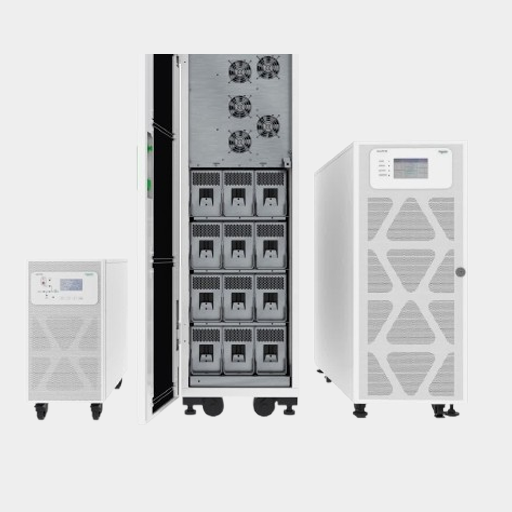
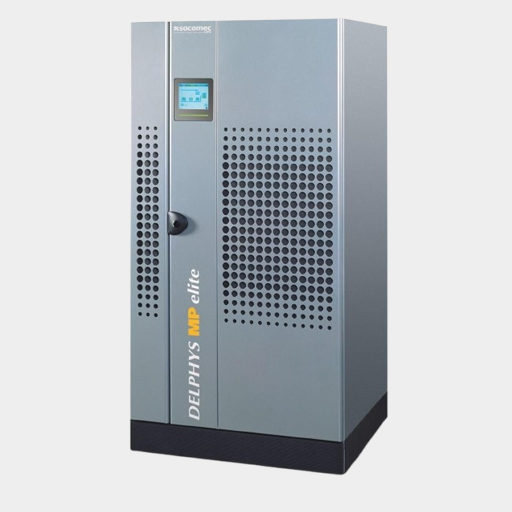
Ensure uninterrupted power for your operations with MG Power Solutions.' 200 KVA UPS on Rent. Designed for heavy-duty applications, this high-capacity UPS system delivers consistent backup power, making it ideal for data centers, hospitals, industrial plants, and large-scale events. Our rental solution includes quick deployment, expert installation, and 24/7 technical support to keep your systems running without disruption. Whether it's for planned maintenance or emergency power needs, our 200 KVA UPS ensures maximum reliability and performance. Trust MG Power Solutions for flexible rental plans, well-maintained equipment, and cost-effective power continuity. Rent today and power up with confidence!
Absolutely! To give you the most accurate and helpful information about the benefits of renting a 200 kVA UPS, I'll need to gather some current details. Please wait a moment while I do that. Renting a 200 kVA UPS (Uninterruptible Power Supply) offers numerous advantages, particularly for businesses, events, and industrial applications that require a robust and reliable power backup solution without the commitment and costs of outright ownership.
Here are the key benefits of renting a 200 kVA UPS:
1. Cost-Effectiveness and Financial Flexibility:
- No Upfront Capital Investment: One of the most significant advantages is avoiding the large initial purchase cost of a 200 kVA UPS, which can be substantial. This frees up capital for core business activities, innovation, or expansion.
- Predictable Operational Expenses:Rental payments are typically fixed and can be categorized as operational expenses, making budgeting easier and potentially offering tax advantages.
- Reduced Total Cost of Ownership (TCO):You avoid the hidden costs associated with ownership, such as depreciation, disposal, and the need for significant capital expenditure when upgrading.
2. Maintenance and Support Included:
- Hassle-Free Maintenance:The rental provider is responsible for all maintenance, repairs, and servicing of the UPS. This eliminates the need for in-house technical expertise, spare parts inventory, and unexpected repair costs.
- 24/7 Technical Support:Most reputable rental companies offer round-the-clock technical support, ensuring quick response times and minimal downtime in case of any issues.
- Expert Management:You benefit from the rental company's expertise in UPS management, ensuring the system operates optimally and efficiently.
3. Flexibility and Scalability:
- Adaptable to Changing Needs: Businesses often have fluctuating power demands or temporary project requirements. Renting allows you to easily scale UPS capacity up or down as your needs change, without being tied to a fixed asset.
- Short-Term and Long-Term Options: Rental periods can be customized from a few days for events to several months or even years for ongoing operations.
- Ideal for Temporary Needs:Perfect for events (weddings, concerts, corporate gatherings), temporary offices, construction sites, or during planned maintenance of existing power infrastructure.
4. Access to Latest Technology:
- Avoid Obsolescence:Technology evolves rapidly. Renting ensures you always have access to the latest, most energy-efficient, and technologically advanced UPS models without having to worry about your equipment becoming outdated.
- Improved Efficiency: Newer UPS models often boast higher efficiency rates (e.g., 95% in online mode, 98% in ECO mode), leading to lower operational costs.
5. Risk Mitigation:
- Reduced Financial Risk:You are not burdened with the financial risk of equipment breakdown, unexpected repairs, or obsolescence.
- Ensured Business Continuity:A 200 kVA UPS provides robust backup power, safeguarding critical IT infrastructure (servers, data centers), industrial machinery, medical equipment, and other essential systems from power outages, fluctuations, and surges. This minimizes downtime, prevents data loss, and ensures uninterrupted operations.
- Quick Deployment: Rental companies often offer fast delivery and installation, allowing you to quickly secure power protection.
6. Focus on Core Business:
- By outsourcing your power backup needs, your internal teams can focus on their primary responsibilities and strategic initiatives, rather than managing and maintaining complex power equipment.
In summary, renting a 200 kVA UPS is a strategic choice for businesses and organizations seeking reliable, cost-effective, and flexible power protection without the burdens of ownership. It offers peace of mind, ensures business continuity, and allows for efficient allocation of resources.
Technical Specification
A 200 kVA UPS (Uninterruptible Power Supply) is a robust solution designed for critical applications requiring significant power backup and conditioning. While specifications can vary slightly between manufacturers and specific models, here's a comprehensive overview of typical technical specifications for a 200 kVA UPS:
1. Power Rating:
- Capacity:200 kVA (kilo-Volt-Ampere)
- Active Power:Typically 200 kW (kilo-Watt) for a Unity Power Factor (PF=1.0) UPS, or 160 kW for a 0.8 power factor UPS. Modern UPS systems often have an output power factor of 0.9 or 1.0, meaning the kW rating is closer to or equal to the kVA rating.
2. Input Specifications:
- Nominal Voltage:Common configurations include 380V, 400V, or 415V AC, three-phase (3-phase, 4-wire + Ground).
- Voltage Range:Wide input voltage tolerance, typically ranging from -20% to +20% (e.g., 304V to 456V for a 380V nominal) without going to battery. This ensures stable operation even with significant utility voltage fluctuations.
- Frequency:50 Hz or 60 Hz (auto-sensing and adaptable).
- Frequency Range:Typically 40-70 Hz.
- Input Power Factor (PFC):High, typically >0.99 at full load. This indicates active power factor correction (PFC) to minimize reactive power drawn from the grid.
- Current Harmonic Distortion (THDi):Low, usually <3% for linear loads, achieved through advanced IGBT rectifier technology. This helps in maintaining a cleaner input current and reduces stress on upstream infrastructure.
- Input Current Limitation:Often includes a mechanism to limit inrush current during startup.
3. Output Specifications:
- Nominal Voltage: 380V, 400V, or 415V AC, three-phase (3-phase, 4-wire + Ground).
- Voltage Regulation:Tight regulation, typically ±1% static, ensuring stable output voltage regardless of load changes.
- Frequency:50 Hz or 60 Hz, synchronized to mains in normal operation, or ±0.05 Hz in battery mode.
- Output Power Factor:0.9 to 1.0 (Unity Power Factor is increasingly common).
- Voltage Harmonic Distortion (THDv):Low, typically <2% for linear loads and <5% for non-linear loads. This indicates a clean sine wave output essential for sensitive electronic equipment.
- Overload Capability:
- 110% for 10 minutes (continuous bypass for longer periods).
- 125% for 1 minute.
- 150% for 10-60 seconds.
- Waveform:Pure Sine Wave.
- Transfer Time: 0 ms (for true online double conversion UPS).
- Bypass:Built-in static bypass for seamless transfer to utility power in case of internal fault or overload, and a maintenance bypass for safe servicing.
4. Battery System:
- Battery Type:Typically VRLA (Valve Regulated Lead Acid) or Lithium-Ion (Li-ion). Li-ion batteries are gaining popularity due to their longer life, higher energy density, and faster charging.
- Nominal Battery Voltage:Varies depending on the battery string configuration, commonly 384 VDC, 432 VDC, or 480 VDC.
- Battery Configuration:Flexible, often allowing 30 to 46 battery blocks per string to optimize runtime and investment.
- Charge Voltage:Adjustable, with intelligent charging management (e.g., three-stage charging) to extend battery life.
- Backup Time: Depends on the battery capacity (Ah) and the load. Typically specified for a certain load (e.g., 10-15 minutes at full load) but can be extended with additional external battery cabinets.
- Battery Management System (BMS):For Li-ion batteries, an integrated BMS is crucial for monitoring and optimizing battery performance and safety.
5. Efficiency:
- AC-AC Efficiency (Online Mode):High, typically 95% to 96.5% at full load. Higher efficiency means less energy waste and lower operating costs.
- ECO Mode Efficiency: Often higher, up to 98-99%, when the UPS operates in a line-interactive manner, passing power directly through the bypass and engaging the inverter only when needed.
6. Communication and Management:
- Display:User-friendly interface, often a color touch screen LCD, for monitoring UPS status, alarms, and settings.
- Standard Interfaces:RS232, USB, RS485 (Modbus), Relay I/O cards.
- Optional Interfaces:SNMP (for network monitoring), Modbus TCP/IP, Ethernet port.
- Remote Monitoring:Capabilities for remote monitoring and management through network protocols or dedicated software.
7. Physical and Environmental:
- Dimensions (W x D x H):Varies by model, but generally robust, floor-standing cabinets.
- Weight:Significant, typically several hundred kilograms.
- Operating Temperature: 0°C to 40°C.
- Relative Humidity: 0-95% (non-condensing).
- Altitude:Up to 1000 meters without derating.
- Acoustic Level:Specified in dBA, typically around 65-75 dBA.
- Ingress Protection (IP Rating):Usually IP20, indicating protection against solid objects larger than 12.5mm, but not against water.
- Parallel Redundancy:Ability to parallel multiple UPS units (e.g., up to 8 units) for increased capacity or N+X redundancy.
- Compliance:Meets relevant international standards like IEC 62040-1 (Safety), IEC 62040-2 (EMC), and IEC 62040-3 (Performance).
When looking at a specific 200 kVA UPS model, it's always recommended to consult the manufacturer's official datasheet for precise specifications.